
Ayurvedic and holistic nutrition is an ancient yet practical approach to healthy living. Rooted in Ayurveda, a traditional system of wellness that originated in India, this form of nutrition focuses on balance, digestion, and individualized eating. Rather than counting calories or following restrictive diets, Ayurvedic nutrition emphasizes natural foods, mindful eating, and harmony between the body, mind, and environment.
This guide explains the basic principles of Ayurvedic and holistic nutrition and how they support long-term wellness naturally.
Table of Contents
What Is Ayurvedic and Holistic Nutrition
Ayurvedic and holistic nutrition focuses on nourishing the body naturally through balanced, mindful eating. Instead of relying on calorie counting or restrictive diets, this approach encourages people to understand how food affects digestion, energy, and overall well-being. Moreover, Ayurvedic nutrition treats food as medicine and emphasizes harmony between the body, mind, and environment.
Holistic nutrition builds on this idea by including lifestyle habits, emotional health, and seasonal changes. As a result, it supports long-term wellness rather than short-term dietary goals.
The Concept of Doshas in Ayurveda
Ayurveda identifies three doshas that influence how the body functions. Each dosha represents a combination of natural elements and energy patterns.
Vata governs movement and creativity, so people with a Vata imbalance benefit from warm and grounding foods. Pitta controls digestion and metabolism; therefore, cooling and calming foods help maintain balance. Kapha supports strength and stability; however, light and warming foods keep this energy from becoming excessive.
By understanding your dominant dosha, you can actively choose foods that support balance and vitality.
Importance of Digestion in Ayurvedic Nutrition
Ayurveda places strong emphasis on digestion because healthy digestion directly supports overall wellness. When digestion works efficiently, the body absorbs nutrients properly and maintains steady energy levels.
For this reason, Ayurvedic nutrition encourages eating fresh meals, following regular meal times, and avoiding overeating. In addition, mindful eating improves digestion by helping the body process food more effectively.
Core Principles of Holistic Eating
Eat Whole and Natural Foods
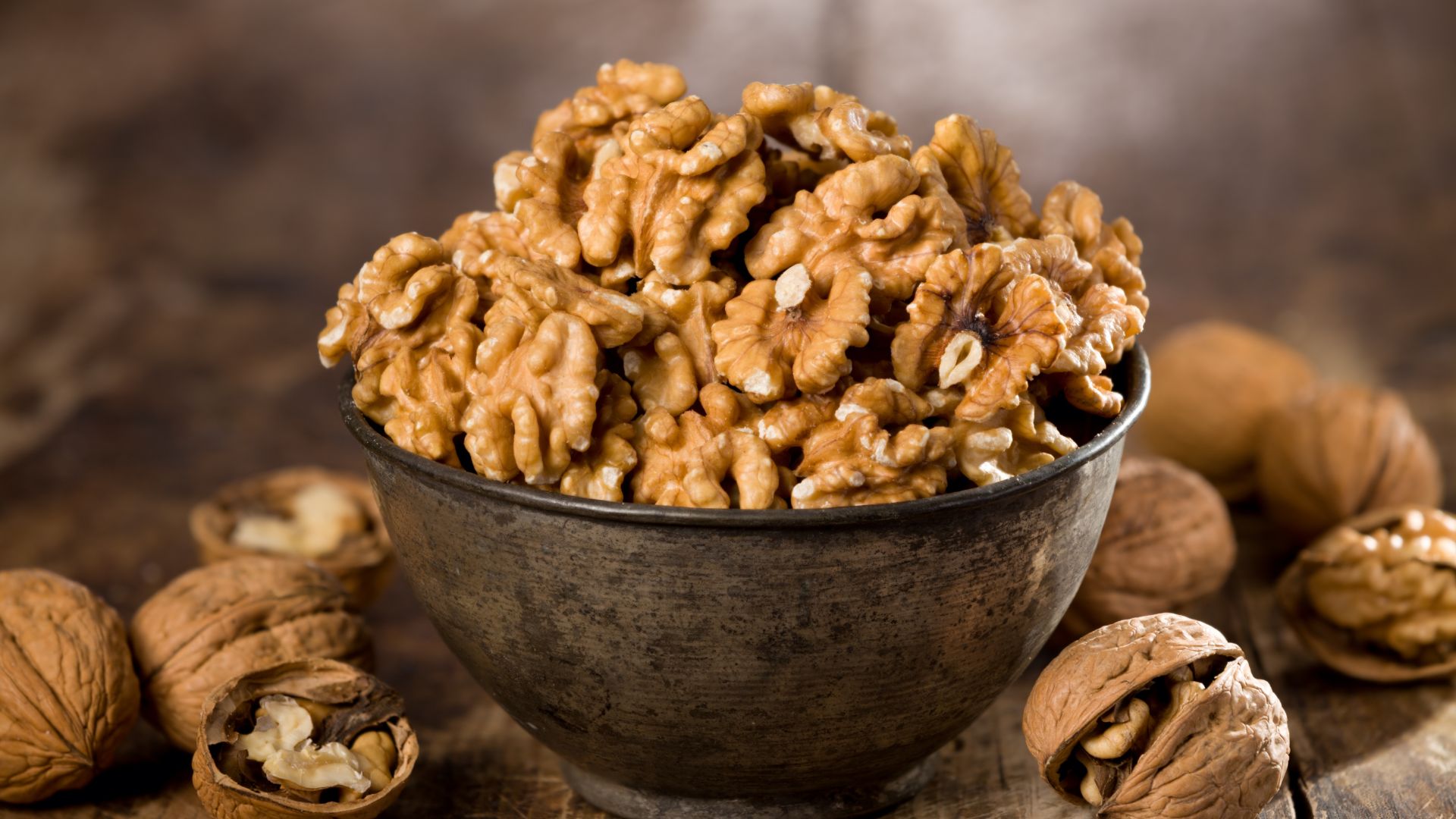
Ayurvedic and holistic nutrition emphasizes unprocessed foods such as vegetables, fruits, whole grains, legumes, nuts, seeds, and natural fats.
Eat According to the Seasons
Seasonal eating helps the body adapt naturally to environmental changes. Warm foods are preferred in colder months, while lighter and cooling foods are more suitable in warmer seasons.
Mindful Eating Practices
How you eat is just as important as what you eat. Eating slowly, without distractions, and in a calm environment helps improve digestion and awareness.
Role of Spices and Herbs
Spices play an important role in Ayurvedic nutrition. They are used not only for flavor but also to support digestion and balance.
Commonly used spices include:
-
Turmeric
-
Ginger
-
Cumin
-
Coriander
-
Fennel
These spices are typically used in small amounts and combined thoughtfully with meals.
Holistic Nutrition and Lifestyle Connection
Ayurvedic nutrition works best when combined with a balanced lifestyle. This includes proper sleep, daily movement, stress management, and connection with nature.
Holistic wellness recognizes that emotional health and daily routines directly affect digestion and overall well-being.
Benefits of Ayurvedic and Holistic Nutrition
-
Supports natural digestion and gut health
-
Encourages balanced energy levels
-
Promotes mindful and intuitive eating
-
Helps create sustainable healthy habits
-
Aligns nutrition with individual needs
This approach focuses on long-term wellness rather than short-term results.
Getting Started with Ayurvedic Nutrition
Begin with simple steps such as eating fresh meals, reducing processed foods, and paying attention to how different foods make you feel. Over time, you can explore seasonal eating and gentle lifestyle changes that support balance.
Ayurvedic and holistic nutrition is not about perfection. It is about awareness, consistency, and respect for your body’s natural signals.
Ayurvedic and holistic nutrition offers a timeless approach to healthy eating by focusing on balance, digestion, and individuality. By choosing natural foods, eating mindfully, and aligning meals with your body and environment, you can support long-lasting wellness in a simple and sustainable way.
This ancient wisdom remains highly relevant in modern life, offering a natural path toward better health and mindful living.
References
- A Guide to Healthy Eating: Ayurvedic Diet & Principles for a Balanced Life
- The Basics Of Ayurvedic Nutrition And Its Benefits
- Exploring Ayurvedic Knowledge on Food and Health for Providing Innovative Solutions
- Ayurveda Food and Nutrition Guide: Balanced Eating for Health and Longevity
- A Complete Guide to the Ayurvedic Diet