Beetroot is a nutrient-rich root vegetable that offers a wide range of health benefits. Due to its high vitamin, mineral, and antioxidant content, beetroot supports overall well-being. Moreover, people around the world include beetroot in their diets because it is versatile, affordable, and easy to prepare. As a result, the benefits of eating beetroot have gained significant attention in recent years.
Table of Contents
Nutritional Value of Beetroot
Beetroot provides essential nutrients while remaining low in calories. It contains fiber, folate, iron, potassium, and vitamin C. In addition, natural nitrates found in beetroot help improve blood flow. Because of this balanced nutritional profile, beetroot supports daily body functions and long-term health.
Benefits of Eating Beetroot
Improves Blood Circulation
Firstly, beetroot helps improve blood circulation by relaxing blood vessels. The natural nitrates in beetroot convert into nitric oxide, which allows smoother blood flow. Therefore, regular consumption supports better oxygen delivery throughout the body.
Supports Heart Health
In addition to improving circulation, beetroot plays an important role in heart health. It helps maintain healthy blood pressure levels and reduces strain on the heart. Consequently, people who eat beetroot regularly may support their cardiovascular system naturally.
Boosts Energy and Stamina
Beetroot increases physical performance and stamina. For this reason, athletes often consume beetroot juice before workouts. By improving oxygen efficiency, beetroot helps reduce tiredness and enhances endurance.
Aids Digestion
Another benefit of eating beetroot is improved digestion. The high fiber content promotes regular bowel movements and supports gut health. As a result, beetroot helps prevent digestive discomfort when included in a balanced diet.
Helps Detoxify the Body
Beetroot supports liver function and assists the body in removing toxins. Additionally, antioxidants in beetroot protect cells from damage. Because of these properties, beetroot contributes to natural detoxification.
Supports Brain Function
Better blood flow also benefits brain health. Beetroot improves oxygen supply to brain cells, which may help support focus and mental clarity. Therefore, it can be a valuable food for maintaining cognitive health.
Promotes Healthy Skin
Beetroot contains vitamins and antioxidants that help keep the skin healthy. By supporting blood purification, beetroot may contribute to a clearer and more radiant complexion over time.
Multiple Uses of Beetroot
Raw Beetroot
Raw beetroot can be grated and added to salads. This method preserves nutrients and adds a fresh crunch to meals.
Beetroot Juice
Many people prefer beetroot juice because it is easy to consume. Moreover, it is commonly used to boost energy and improve overall health.
Cooked Beetroot
Beetroot can be boiled, steamed, or roasted. Cooking softens its texture and makes it suitable for soups, curries, and side dishes.
Beetroot in Smoothies
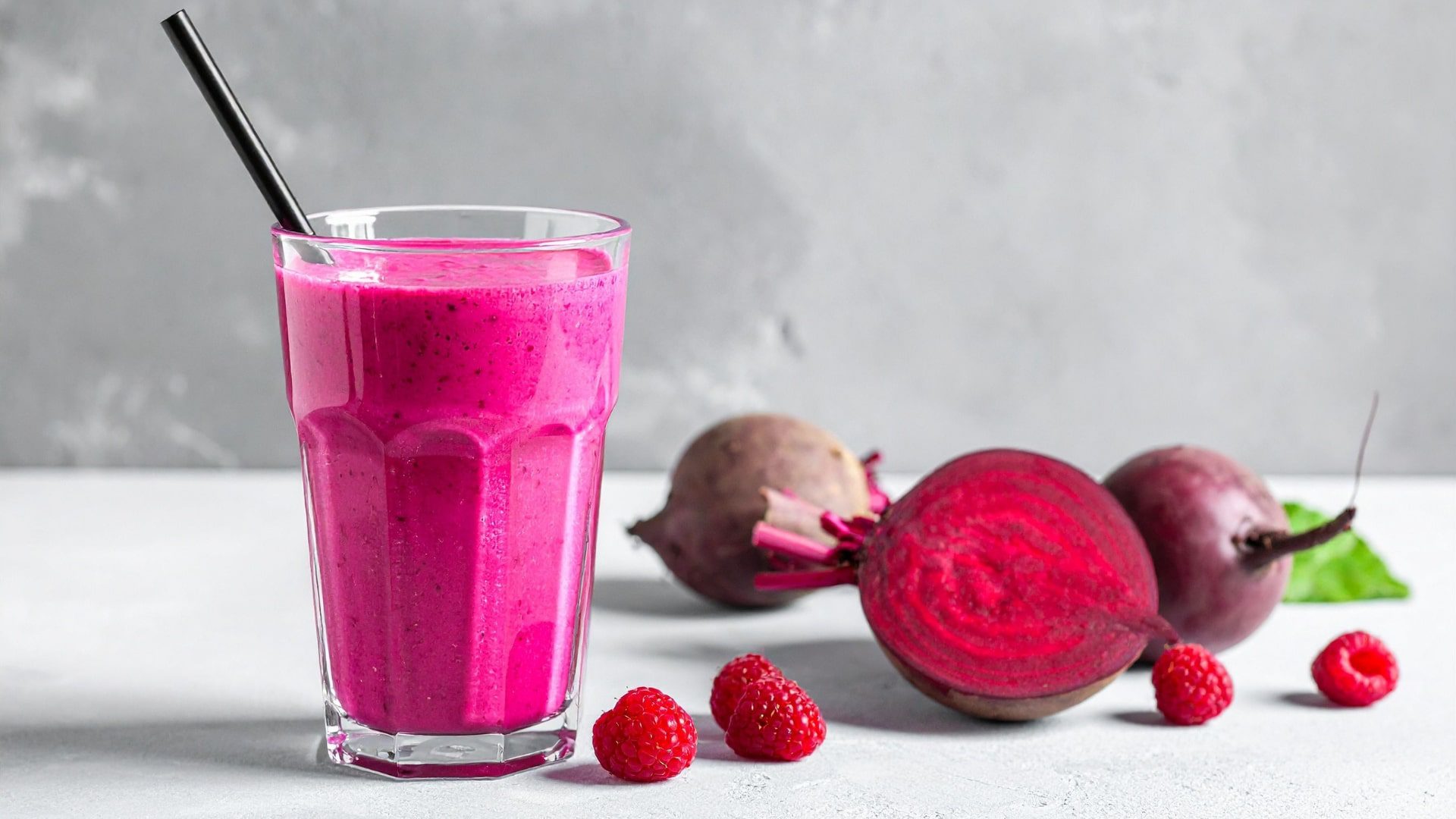
Beetroot blends well with fruits such as apple and carrot. As a result, smoothies offer a tasty and nutritious way to include beetroot daily.
Natural Food Coloring
Due to its deep red color, beetroot works as a natural food coloring. For this reason, it is often used in desserts and beverages.
Best Time to Eat Beetroot
Beetroot can be eaten at any time of the day. However, many people choose to consume it in the morning to support digestion and energy levels.
In conclusion, the benefits of eating beetroot make it an excellent addition to a healthy diet. It supports heart health, digestion, energy, and skin health while offering multiple uses in daily meals. By including beetroot regularly, you can enjoy both its nutritional value and long-term health benefits.
References