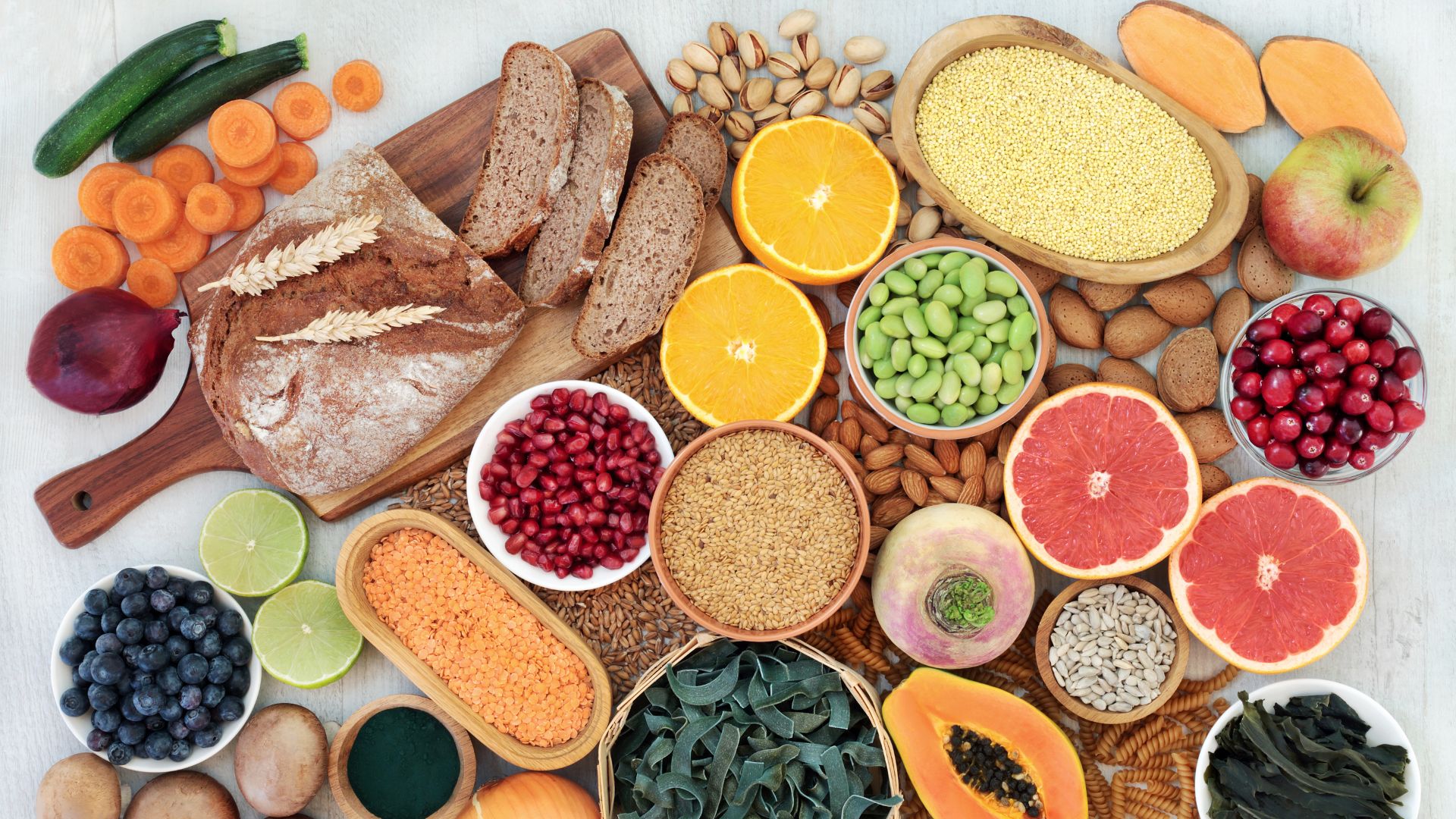
Winter is a season when the body requires extra care, warmth, and nutrition. Cold weather affects digestion, circulation, and immunity, making the right food choices essential. A balanced winter diet helps the body stay warm, fight infections, and maintain energy levels. Consuming seasonal and natural foods is one of the best ways to support overall health during winter.
This article explains the best winter foods for health, their benefits, and how to include them in your daily diet.
Table of Contents
- Why Winter Foods Are Important for Health
- Root Vegetables for Natural Warmth
- Dry Fruits and Nuts as Winter Superfoods
- Jaggery and Honey for Energy and Immunity
- Garlic and Ginger for Winter Protection
- Whole Grains and Millets for Sustained Energy
- Warm Milk and Dairy Products
- Soups and Broths for Easy Digestion
- Seeds for Joint and Heart Health
- Seasonal Winter Fruits for Immunity
- Winter Diet Tips for Better Health
- Foods to Avoid During Winter
Why Winter Foods Are Important for Health
During winter, the body burns more energy to maintain its internal temperature. Digestion becomes stronger, but immunity may weaken due to cold and dryness. A healthy winter diet helps to:
- Maintain body heat
- Strengthen immunity
- Improve digestion
- Prevent seasonal illnesses
- Increase strength and stamina
Eating seasonal winter foods supports the body’s natural rhythm and promotes long-term wellness.
Root Vegetables for Natural Warmth
Root vegetables grow underground and retain natural warmth and nutrients, making them ideal for winter consumption.
Best Root Vegetables
Carrot, beetroot, sweet potato, radish, turnip
Health Benefits
Root vegetables are rich in fiber, vitamins, and antioxidants. They improve digestion, support gut health, and provide steady energy. Their warming nature helps maintain body temperature during cold weather.
How to Eat
Roasted vegetables, soups, stews, or lightly steamed preparations.
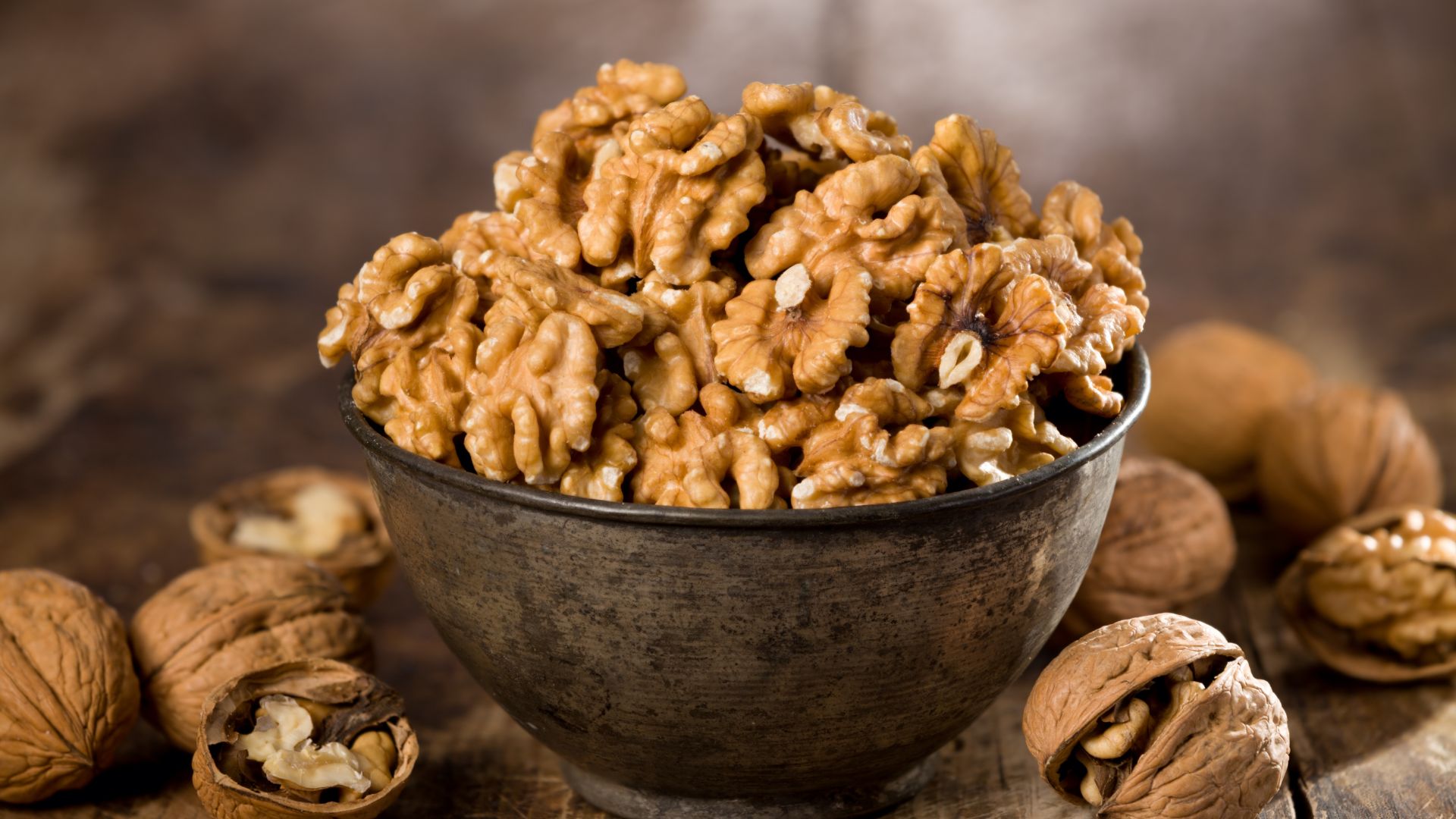
Dry Fruits and Nuts as Winter Superfoods
Dry fruits and nuts are calorie-dense and packed with healthy fats, making them essential winter foods.
Best Options
Almonds, walnuts, cashews, dates, raisins
Health Benefits
They boost immunity, improve brain and heart health, strengthen joints, and provide instant energy. Regular consumption helps combat winter fatigue.
Tip
Soak almonds overnight to enhance digestion and nutrient absorption.
Jaggery and Honey for Energy and Immunity
Natural sweeteners are healthier alternatives to refined sugar during winter.
Health Benefits
Jaggery improves digestion, purifies blood, and keeps the body warm. Honey strengthens immunity, soothes the throat, and helps relieve cough and cold.
How to Use
Consume jaggery with peanuts or sesame seeds. Take honey with warm water or herbal tea. Avoid mixing honey with very hot liquids.
Garlic and Ginger for Winter Protection
Garlic and ginger are powerful natural remedies widely used during winter.
Health Benefits
They fight infections, reduce inflammation, improve blood circulation, and strengthen immunity. Their warming properties help protect against cold-related illnesses.
Best Ways to Consume
Add ginger to tea and soups. Use garlic in curries, vegetables, and broths.
Whole Grains and Millets for Sustained Energy
Whole grains provide long-lasting energy and warmth during winter.
Best Winter Grains
Bajra, jowar, ragi, oats, brown rice
Health Benefits
They support digestion, prevent fatigue, maintain body heat, and improve gut health. Millets are especially beneficial in cold climates.
Warm Milk and Dairy Products
Dairy products nourish the body and support strength during winter.
Health Benefits
They strengthen bones, improve sleep quality, boost immunity, and support muscle health.
Best Choices
Warm milk, homemade ghee, paneer, and curd in moderation. Warm milk with turmeric before bedtime is especially beneficial.
Soups and Broths for Easy Digestion
Warm soups are light, nourishing, and ideal for winter digestion.
Best Options
Vegetable soup, lentil soup, clear soups, bone broth
Health Benefits
Soups hydrate the body, improve digestion, boost immunity, and provide instant warmth.
Seeds for Joint and Heart Health
Seeds are small but highly nutritious winter foods.
Best Seeds
Sesame seeds, flaxseeds, pumpkin seeds, sunflower seeds
Health Benefits
They improve joint health, strengthen immunity, support heart health, and reduce winter dryness of skin.
How to Consume
Dry roast and add to meals, chutneys, or salads.
Seasonal Winter Fruits for Immunity
Winter fruits are rich in vitamin C and antioxidants.
Best Winter Fruits
Oranges, guava, apples, pomegranate, pears
Health Benefits
They strengthen the immune system, improve digestion, protect against infections, and promote healthy skin.
Winter Diet Tips for Better Health
- Eat freshly cooked and warm meals
- Avoid cold drinks and processed foods
- Drink warm water or herbal teas
- Follow seasonal eating habits
- Maintain regular meal timings
Foods to Avoid During Winter
- Cold and frozen foods
- Excessive junk and fried foods
- Sugary drinks
- Too many raw foods
Including the best winter foods for health in your daily diet helps your body stay warm, strong, and protected from seasonal illnesses. Seasonal, natural foods improve digestion, boost immunity, and maintain energy levels throughout winter. A mindful winter diet is a key part of healthy and natural living.
References