
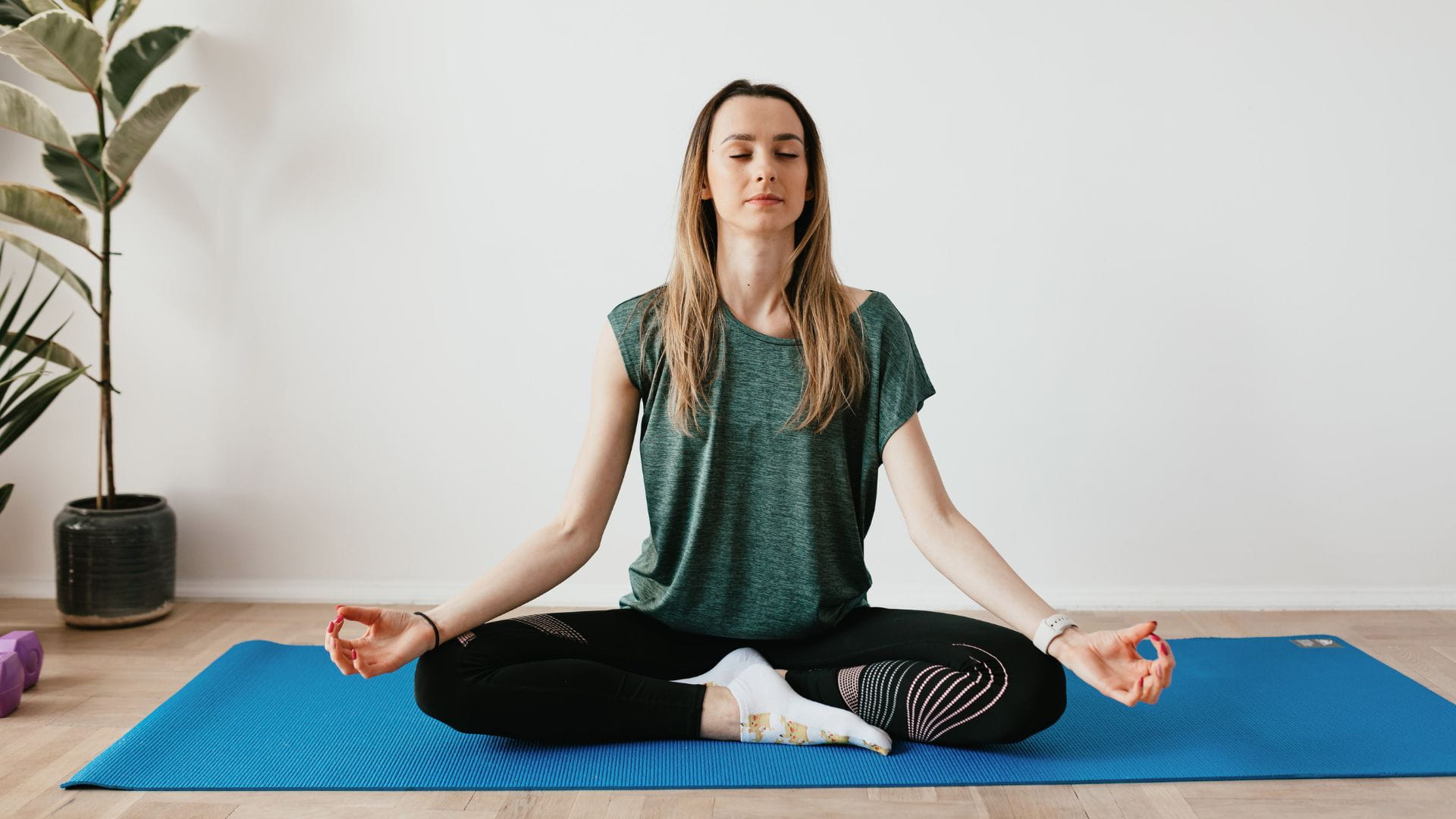
Mental clarity is one of the most important yet most ignored aspects of health. In modern life, the mind is constantly overloaded with information, responsibilities, screen time, and stress. This often leads to overthinking, anxiety, lack of focus, poor decision-making, and mental fatigue.
One of the most effective and natural ways to restore mental clarity is breathing exercises. Breathing is not just a physical activity; it directly affects the brain, nervous system, and emotions. When practiced correctly, breathing exercises can calm the mind, sharpen focus, and bring inner balance—without medicine or external support.
Table of Contents
- What Is Mental Clarity and Why Does It Matter?
- The Connection Between Breathing and the Brain
- Common Causes of Mental Fog and Poor Focus
- Benefits of Breathing Exercises for Mental Clarity
- Best Breathing Exercises for Mental Clarity
- Best Time to Practice Breathing Exercises
- Tips for Effective Breathing Practice
- Breathing Exercises as a Part of Natural Living
What Is Mental Clarity and Why Does It Matter?
Mental clarity means having:
- Clear and organized thoughts
- Better concentration
- Emotional stability
- Reduced mental stress
- Improved awareness
When the mind is clear, you think better, react calmly, and make healthier decisions. Lack of mental clarity often results in confusion, irritation, poor memory, and constant stress.
The Connection Between Breathing and the Brain
Breathing and the brain are deeply connected through the nervous system. Most people breathe shallowly, especially during stress. This limits oxygen supply to the brain and keeps the body in a constant “fight or flight” mode.
Slow and mindful breathing:
- Increases oxygen flow to the brain
- Calms the nervous system
- Lowers stress hormones like cortisol
- Improves brain function and alertness
By controlling your breath, you can directly influence your mental state.
Common Causes of Mental Fog and Poor Focus
Mental clarity is often disturbed due to:
- Chronic stress
- Poor sleep
- Excessive screen time
- Shallow breathing
- Poor lifestyle habits
- Lack of mindfulness
Breathing exercises help correct these imbalances naturally.
Benefits of Breathing Exercises for Mental Clarity
Regular breathing practice can:
- Reduce anxiety and stress
- Improve focus and attention span
- Clear mental fog
- Enhance memory
- Balance emotions
- Improve sleep quality
- Support overall mental well-being
These benefits make breathing exercises a powerful tool for natural living.
Best Breathing Exercises for Mental Clarity
1. Deep Belly Breathing (Diaphragmatic Breathing)
This is the foundation of all breathing exercises.
How to practice:
- Sit or lie down comfortably
- Place one hand on your chest and one on your belly
- Inhale slowly through your nose
- Let your belly expand
- Exhale slowly through your mouth
Duration: 5–10 minutes
Benefits:
- Calms the nervous system
- Reduces mental tension
- Improves oxygen supply to the brain
2. Box Breathing (Square Breathing)
This technique is excellent for mental focus and emotional control.
Steps:
- Inhale for 4 seconds
- Hold for 4 seconds
- Exhale for 4 seconds
- Hold again for 4 seconds
Repeat for 5 minutes.
Benefits:
- Improves concentration
- Reduces anxiety
- Brings mental balance
3. Alternate Nostril Breathing (Nadi Shodhana)
A traditional yogic breathing exercise known for balancing the brain.
How to do it:
- Close the right nostril and inhale through the left
- Close the left nostril and exhale through the right
- Inhale through the right nostril
- Exhale through the left
Benefits:
- Clears mental blockages
- Balances left and right brain
- Improves clarity and calmness
4. 4-7-8 Breathing Technique
Best for calming an overactive mind.
Steps:
- Inhale for 4 seconds
- Hold for 7 seconds
- Exhale slowly for 8 seconds
Repeat 4–6 times.
Benefits:
- Reduces anxiety
- Improves sleep
- Calms racing thoughts
5. Mindful Breathing
This practice focuses on awareness rather than control.
How to practice:
- Sit quietly
- Observe your natural breath
- Focus on inhalation and exhalation
- Gently bring your attention back if the mind wanders
Benefits:
- Improves awareness
- Reduces overthinking
- Strengthens mental discipline
Best Time to Practice Breathing Exercises
- Early morning for mental freshness
- Before meditation or yoga
- During stressful moments
- Before sleep to calm the mind
Even 10 minutes a day can create noticeable improvement.
Tips for Effective Breathing Practice
- Practice daily for best results
- Choose a quiet and comfortable place
- Keep your spine straight
- Breathe through the nose
- Avoid forcing the breath
- Be patient and consistent
Natural healing works best with regular practice.
Breathing Exercises as a Part of Natural Living
Natural living focuses on working with the body, not against it. Breathing exercises are free, simple, and powerful tools that align perfectly with a natural lifestyle. They help you reconnect with your body and mind, reduce dependency on external solutions, and support long-term mental health.
Breathing exercises are one of the most effective natural methods to achieve mental clarity. By improving the way you breathe, you improve the way you think, feel, and live. In a world full of noise and stress, conscious breathing offers a quiet path to calmness and clarity.
Mental clarity is not something you chase—it is something you breathe into existence.
References