
Modern lifestyles have created a constant state of mental and physical stimulation. From early morning alarms to late-night screen exposure, the body rarely experiences true rest. As a result, the nervous system remains in a continuous state of alert. Over time, this ongoing stress response slowly drains energy, disrupts sleep, weakens digestion, and disturbs hormonal balance. Many people feel tired, anxious, and mentally overloaded even when they try to rest.
Daily relaxation rituals are a natural solution to this problem. These rituals are not extreme techniques or complicated routines. Instead, they are simple, intentional habits that help the body return to its natural state of balance. When practiced every day, relaxation rituals send clear signals of safety to the nervous system. This allows the body to shift out of survival mode and into healing mode. In healing mode, the body can repair tissues, regulate hormones, stabilize emotions, and restore energy naturally. In natural living, relaxation is not separate from health. It is one of the most powerful foundations of long-term well-being.
Table of Contents
Relaxation as a Foundation of Natural Healing
Relaxation plays a direct role in how the body heals and maintains balance. When a person relaxes, stress hormones such as cortisol and adrenaline gradually decrease. At the same time, calming and restorative hormones increase. This hormonal shift supports better sleep, improved digestion, stronger immunity, and emotional stability. Because of this, relaxation becomes a biological necessity rather than a luxury.
In addition, relaxation improves communication between the brain and the body. As the nervous system calms, breathing becomes deeper, heart rate becomes more stable, and muscles release stored tension. This physical relaxation sends feedback to the brain that the environment is safe. As a result, the brain reduces stress-based thinking and allows the body to focus on repair and recovery. Over time, this repeated process trains the nervous system to return to calm more easily. Therefore, daily relaxation rituals gradually build long-term resilience against stress.
Creating a Slow and Supportive Daily Rhythm
Natural living emphasizes living in harmony with the body’s internal clock. A slow and supportive daily rhythm helps the nervous system feel safe and stable. Starting the day gently instead of rushing immediately reduces morning stress signals. Exposure to natural light in the morning helps regulate circadian rhythm. This supports balanced energy levels during the day and deeper sleep at night.
Throughout the day, small moments of pause are equally important. Short breaks for slow breathing, stretching, or quiet reflection help prevent stress from building up. Instead of waiting until exhaustion appears, these small pauses allow the body to release tension gradually. As a result, energy remains more stable, and mental clarity improves.
In the evening, slowing down becomes essential. Reducing mental stimulation, dimming lights, and choosing calming activities prepare the body for rest. This gentle transition from activity to rest supports natural melatonin production. Consequently, sleep becomes deeper and more restorative without forcing the body.
The Power of Breath, Stillness, and Gentle Movement
Breathing is one of the most natural and powerful tools for relaxation. Slow, deep breathing activates the parasympathetic nervous system, which is responsible for rest and repair. As breathing becomes slower and deeper, heart rate decreases and muscle tension reduces. This creates a full-body signal of calm. Over time, regular breathing rituals help reduce anxiety and improve emotional balance naturally.
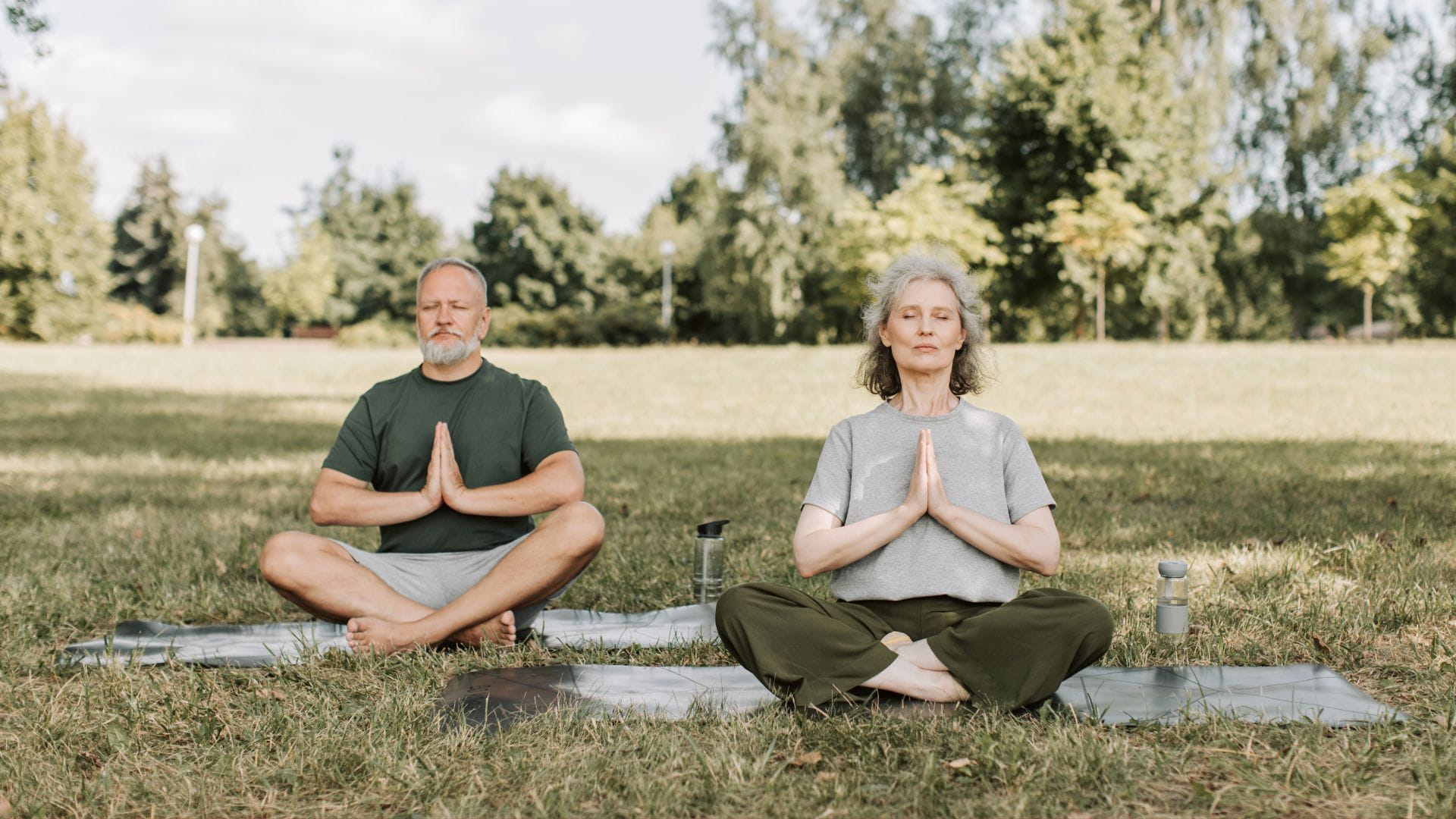
Stillness is another important aspect of relaxation. Sitting quietly for a few minutes without external stimulation allows the mind to settle. In this stillness, the nervous system can reset itself. Gentle movement such as stretching, slow walking, or light yoga also supports relaxation. These movements release physical tension without overstimulating the body. As a result, the body feels more open, relaxed, and balanced.
Nature as a Natural Nervous System Regulator
Nature has a deeply calming effect on the human nervous system. Spending time outdoors reduces stress hormone levels and supports emotional stability. Even short exposure to green spaces can calm the brain and improve mood. Natural light supports hormonal signaling, while fresh air improves oxygen flow and mental clarity.
Natural sounds such as birds, wind, and water create a soothing background that helps the brain shift into a relaxed state. These sounds signal safety and reduce mental noise. Over time, regular connection with nature strengthens the body’s ability to self-regulate stress. Therefore, nature becomes an essential partner in daily relaxation rituals for natural living.
Emotional Release and Mental Relaxation
Many people carry emotional tension without realizing it. Even when the body rests, the mind may continue to replay worries, responsibilities, and negative thoughts. Emotional relaxation helps release this hidden stress. Journaling is a simple and effective method. Writing thoughts on paper allows the mind to unload mental pressure. This creates emotional clarity and reduces internal tension.
Gratitude practices also support emotional relaxation. Focusing on positive experiences and small moments of appreciation shifts the brain away from stress-based thinking. This mental shift supports nervous system balance and improves overall emotional well-being. Over time, emotional relaxation becomes a natural habit rather than an effort.
Long-Term Benefits of Consistent Relaxation Rituals
When relaxation becomes a daily practice, the body gradually learns that rest is always available. This sense of safety reduces chronic stress patterns. As a result, hormonal balance improves, sleep quality increases, digestion becomes smoother, and emotional reactions become more stable.
Consistent relaxation also improves stress resilience. This means the body can respond to challenges without becoming overwhelmed. Instead of staying stuck in stress mode, the nervous system can return to calm more quickly. Over months and years, this creates a strong foundation for long-term health, stable energy, and emotional balance.
In natural living, relaxation is not something you do only when you feel exhausted. It is a daily lifestyle practice that supports every system in the body. By creating space for calm, connecting with nature, practicing gentle breathing, and allowing emotional release, relaxation becomes a form of natural medicine.
True natural living is not only about diet, exercise, or supplements. It is also about how deeply you allow your body and mind to rest, reset, and return to balance each day. Through daily relaxation rituals, the body remembers how to heal, restore, and thrive naturally.
References