Gut health has become a major focus in nutrition and wellness—and for good reason. A healthy gut supports digestion, immunity, and overall well-being. In this article, we’ll explore what gut health is, why it matters, and how fermented foods, probiotics, and prebiotics play a key role in keeping your digestive system balanced.
Table of Contents
What Is Gut Health?
Gut health refers to the balance and function of microorganisms living in the digestive tract, often called the gut microbiome. This microbiome is made up of trillions of bacteria, both helpful and harmful. When these bacteria are in balance, your body can digest food efficiently and support normal body functions.
Poor gut balance may lead to digestive discomfort, low energy, or difficulty absorbing nutrients.
Why Gut Health Is Important
A healthy gut does more than just help digestion. It also:
- Supports the immune system
- Helps the body absorb nutrients
- Plays a role in brain and mood balance
- Contributes to overall energy levels
Maintaining gut health is an important part of a healthy lifestyle.
Fermented Foods and Gut Health
What Are Fermented Foods?
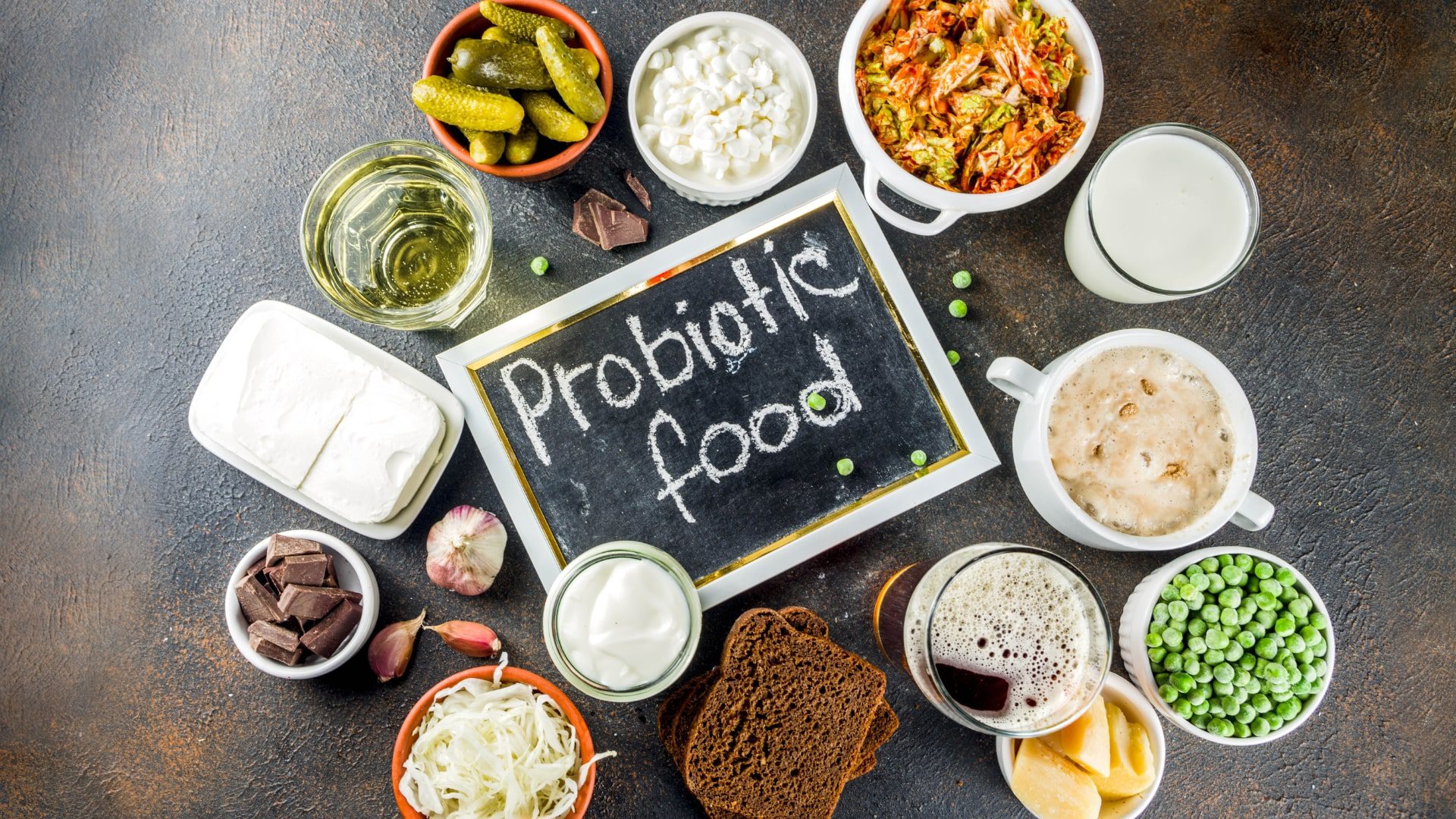
Fermented foods are foods that have been changed by natural bacteria through a process called fermentation. During this process, beneficial bacteria grow and help preserve the food.
Common Fermented Foods
- Yogurt
- Kefir
- Sauerkraut
- Kimchi
- Miso
- Tempeh
Benefits of Fermented Foods
Fermented foods naturally contain beneficial bacteria that can support a balanced gut microbiome. Regularly including them in meals may help improve digestion and support gut diversity.
Probiotics: Beneficial Bacteria for the Gut
What Are Probiotics?
Probiotics are live beneficial bacteria that support gut balance. They can be found in fermented foods and some dietary products.
How Probiotics Support Gut Health
Probiotics help by:
- Supporting the growth of good bacteria
- Helping maintain digestive balance
- Supporting normal gut function
Different probiotic strains may support the gut in different ways.
Prebiotics: Fuel for Good Bacteria
What Are Prebiotics?
Prebiotics are types of fiber that feed beneficial gut bacteria. Unlike probiotics, prebiotics are not bacteria themselves—they help existing good bacteria grow.
Prebiotic-Rich Foods
- Bananas
- Onions
- Garlic
- Oats
- Apples
- Legumes
Why Prebiotics Matter
Prebiotics help probiotics thrive, making them essential for long-term gut health. Together, they work as a team to support a healthy digestive system.
Probiotics vs. Prebiotics: What’s the Difference?
| Probiotics | Prebiotics |
|---|---|
| Live beneficial bacteria | Food for good bacteria |
| Found in fermented foods | Found in fiber-rich foods |
| Add bacteria to the gut | Help existing bacteria grow |
Both are important and work best when included together in a balanced diet.
Tips to Support Gut Health Naturally
- Eat a variety of fruits and vegetables
- Include fermented foods regularly
- Stay hydrated
- Eat fiber-rich foods
- Maintain regular eating habits
Small, consistent changes can make a big difference over time.
Gut health plays a vital role in overall wellness, and fermented foods, probiotics, and prebiotics are key components of a gut-friendly lifestyle. By including a variety of nutrient-rich and fermented foods in your daily meals, you can help support a balanced and healthy gut naturally.
References