
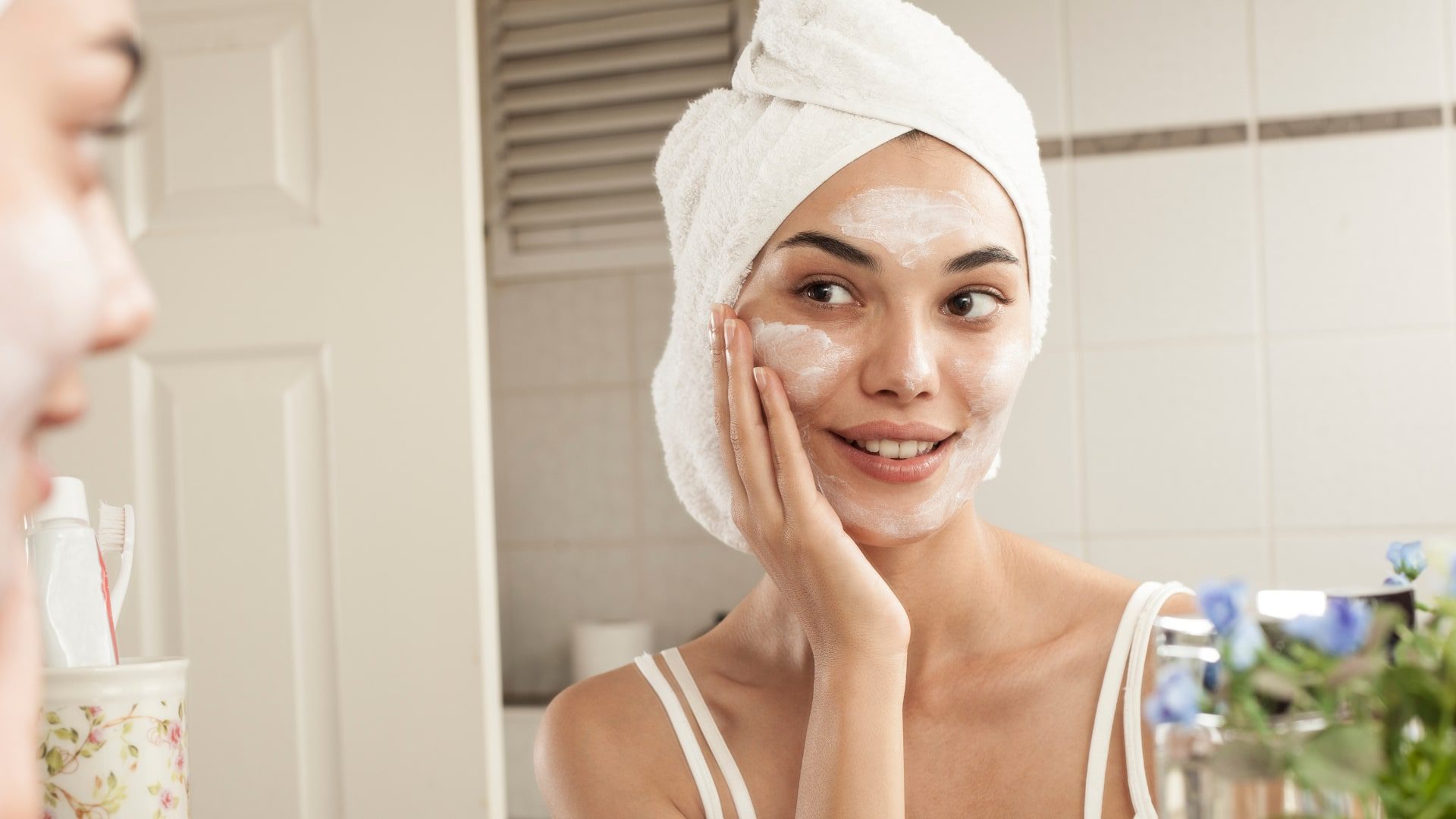
Everyone dreams of smooth, glowing, and healthy skin — but with so many products and trends, skincare can feel overwhelming. The truth is, achieving radiant skin isn’t about expensive creams; it’s about a consistent routine, good habits, and understanding what your skin truly needs.
Table of Contents
Understand Your Skin Type
Before you start any skincare routine, know your skin type — this helps you choose the right products.
-
Oily Skin: Prone to acne and shine. Look for oil-free and mattifying products.
-
Dry Skin: Feels tight or flaky. Use hydrating cleansers and rich moisturizers.
-
Combination Skin: Oily in the T-zone, dry on the cheeks. Balance with gentle, lightweight formulas.
-
Sensitive Skin: Easily irritated. Stick to fragrance-free and hypoallergenic products.
Follow a Daily Skincare Routine
Consistency is key! A simple daily routine can transform your skin over time.
Morning Routine:
-
Cleanser: Removes oil and dirt.
-
Toner: Balances skin’s pH.
-
Moisturizer: Locks in hydration.
-
Sunscreen: Protects from harmful UV rays.
Night Routine:
-
Cleanser: Wipes off makeup and pollution.
-
Serum: Targets skin concerns (like acne or dullness).
-
Night Cream: Repairs and nourishes overnight.
Eat Healthy for Radiant Skin
Beautiful skin starts from within! Include foods rich in:
-
Vitamin C: Brightens the skin (found in oranges, strawberries).
-
Omega-3 Fatty Acids: Keeps skin soft and supple (from fish, walnuts).
-
Antioxidants: Protect from free radicals (berries, green tea).
And yes — drink plenty of water to keep your skin hydrated and glowing.
Natural Skincare Tips at Home
Simple DIY skincare can work wonders:
-
Honey & Lemon Mask: Brightens dull skin.
-
Cucumber Slices: Reduce puffiness and refresh tired eyes.
These natural remedies are gentle, affordable, and effective.
Common Skincare Mistakes to Avoid
-
Over-exfoliating — it can damage your skin barrier.
-
Sleeping with makeup on.
-
Using harsh soaps or alcohol-based toners.
-
Ignoring sunscreen on cloudy days.
Avoid these mistakes for healthier, happier skin.
When to See a Dermatologist
If you face persistent issues like acne, pigmentation, or eczema, it’s best to consult a skin specialist. A dermatologist can suggest treatments that suit your unique skin type and condition.
Healthy skin is not a one-day miracle — it’s a lifestyle. Stay consistent, protect your skin, and feed it the right nutrients. Remember: when you care for your skin, it shows!
References