
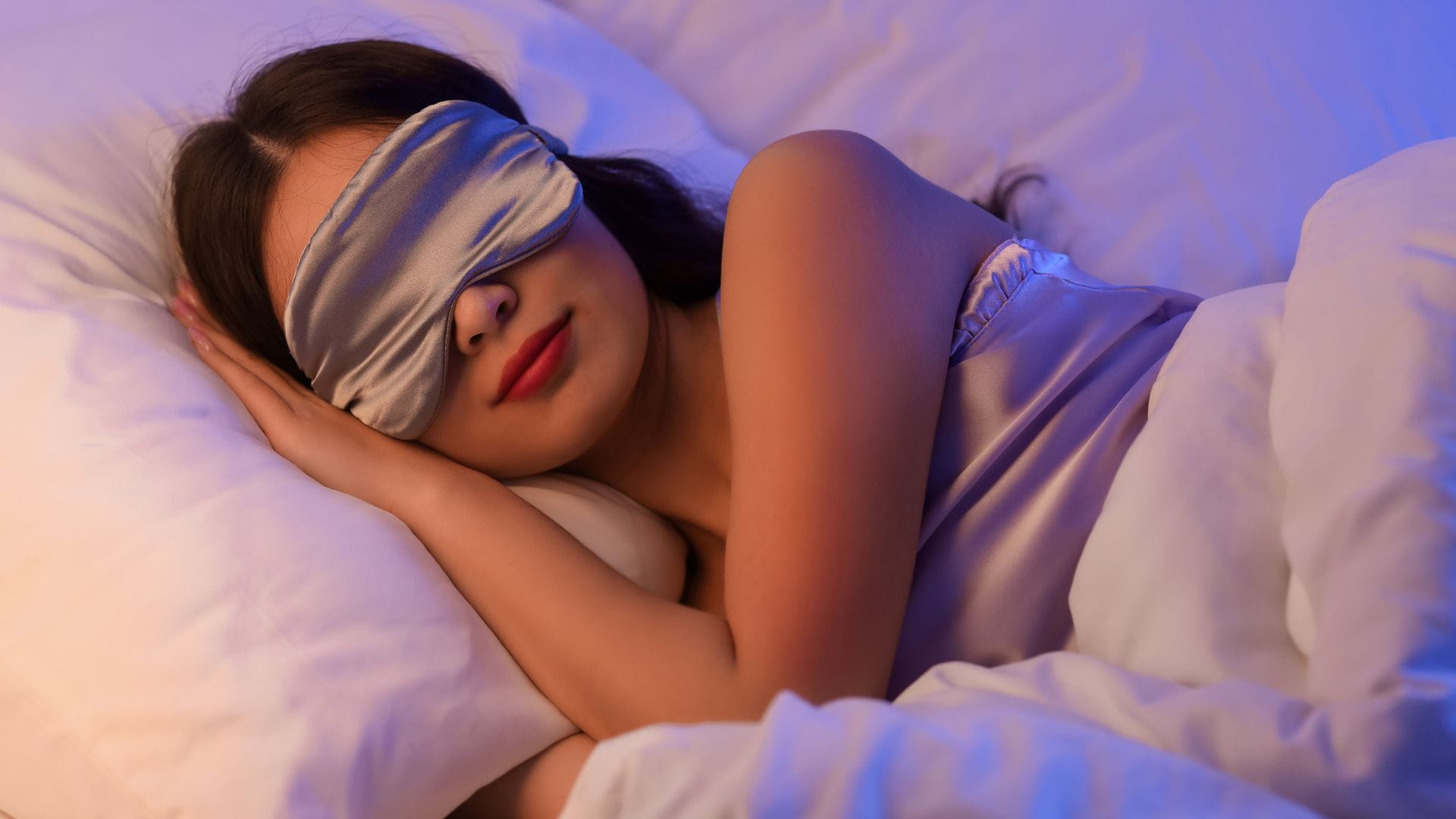
Modern life has dramatically changed how human beings experience light. For thousands of years, sleep and wake cycles were guided mainly by the sun. However, today artificial lighting and digital screens expose the eyes to high levels of blue light long after sunset. As a result, the body’s natural sleep rhythm becomes confused, leading to poor sleep quality, hormonal imbalance, and long-term health challenges.
Understanding how blue light affects natural sleep rhythm is essential for anyone following a natural living lifestyle. When you align your light exposure with nature, your sleep becomes deeper, hormones become more balanced, and overall nervous system health improves.
Table of Contents
- Understanding the Body’s Natural Sleep Rhythm
- What Is Blue Light and Where It Comes From
- How Blue Light Suppresses Melatonin
- Impact on Nervous System and Stress Hormones
- Effects on Sleep Quality and Deep Rest
- Long-Term Health Effects of Chronic Blue Light Exposure
- Natural Ways to Protect Your Sleep from Blue Light
- Creating a Blue Light–Friendly Evening Routine
- Blue Light and Natural Living Philosophy
Understanding the Body’s Natural Sleep Rhythm
The human body operates on a natural internal clock called the circadian rhythm. This internal system responds mainly to light and darkness. During daylight, especially in the morning, natural sunlight tells the brain to stay alert and energized. In contrast, darkness in the evening signals the body to prepare for sleep.
This rhythm controls more than just sleep. It also regulates body temperature, digestion, immune activity, and hormone release. When light exposure follows natural patterns, the body easily shifts between wakefulness and rest. However, when artificial light interferes, this delicate system becomes disrupted.
What Is Blue Light and Where It Comes From
Blue light is a high-energy visible light that naturally comes from the sun. During daytime, blue light is helpful. It boosts attention, improves mood, and supports healthy circadian timing. Problems arise when blue light is present at night.
Common sources of artificial blue light include smartphones, laptops, tablets, televisions, LED bulbs, and fluorescent lighting. These sources expose the eyes to blue wavelengths that closely resemble daylight. As a result, the brain receives confusing signals, even when it is time to sleep.
How Blue Light Suppresses Melatonin
Melatonin is the hormone responsible for signaling sleep. As evening approaches and light decreases, the pineal gland naturally releases melatonin. This hormone makes you feel sleepy and helps the body shift into deep rest mode.
Blue light directly suppresses melatonin production. When the eyes detect blue wavelengths at night, the brain believes it is still daytime. Consequently, melatonin release is delayed or reduced. This makes it harder to fall asleep and reduces overall sleep quality.
Over time, chronic melatonin suppression can lead to irregular sleep patterns, lighter sleep, and increased nighttime awakenings.
Impact on Nervous System and Stress Hormones
Blue light does not only affect sleep hormones. It also influences the nervous system. Exposure to blue light in the evening keeps the brain in a stimulated state. Instead of shifting into relaxation mode, the body remains alert.
This prolonged alertness increases stress hormones like cortisol. Elevated evening cortisol interferes with deep sleep stages and prevents full nervous system recovery. As a result, people may feel tired even after spending enough hours in bed.
Chronic nervous system activation can also contribute to anxiety, restlessness, and difficulty calming the mind at night.
Effects on Sleep Quality and Deep Rest
Even if a person falls asleep after screen use, blue light can still reduce sleep quality. Research shows that blue light exposure before bed decreases deep sleep and REM sleep. These stages are critical for physical repair, memory processing, and emotional regulation.
Without enough deep and REM sleep, the body cannot fully restore itself. Over time, this leads to low energy, weakened immunity, mood imbalance, and reduced mental clarity.
Poor sleep quality also affects appetite hormones, increasing cravings and disrupting natural hunger signals.
Long-Term Health Effects of Chronic Blue Light Exposure
When blue light exposure becomes a nightly habit, the consequences extend beyond sleep. Long-term circadian disruption has been linked to hormonal imbalance, metabolic problems, weight changes, and increased inflammation.
Additionally, irregular sleep rhythms can affect insulin sensitivity, thyroid function, and reproductive hormones. This makes blue light management an important part of natural living and whole-body wellness.
Protecting natural sleep rhythm is not only about feeling rested. It is about supporting long-term hormonal and nervous system health.
Natural Ways to Protect Your Sleep from Blue Light
Following natural living principles means working with the body, not against it. There are several simple strategies to reduce the harmful effects of blue light and restore natural sleep rhythm.
First, limit screen use at least one to two hours before bedtime. This allows melatonin to rise naturally. Second, use warm, low-light bulbs in the evening instead of bright white LEDs. Third, dim household lights after sunset to signal the body that night has begun.
Spending time in natural daylight during the morning also helps strengthen circadian rhythm. Morning sunlight makes the brain more sensitive to darkness at night, improving natural melatonin release.
Creating a Blue Light–Friendly Evening Routine
A consistent evening routine supports the nervous system and reinforces healthy sleep signals. Activities such as reading a physical book, gentle stretching, journaling, or listening to calming music help the body unwind naturally.
Reducing stimulation and light intensity creates a smooth transition from daytime activity to nighttime rest. Over time, the body begins to associate these habits with sleep, making it easier to fall asleep naturally.
This approach supports natural living by honoring the body’s biological design.
Blue Light and Natural Living Philosophy
Natural living emphasizes alignment with nature’s rhythms. The sun rises and sets, and human biology evolved to follow this pattern. Artificial blue light is one of the biggest modern disruptions to this ancient system.
By consciously managing light exposure, you reconnect with natural cycles. This strengthens sleep, balances hormones, calms the nervous system, and improves overall vitality.
Protecting natural sleep rhythm is not a luxury. It is a foundational practice for long-term health, emotional balance, and natural healing.
Understanding how blue light affects natural sleep rhythm empowers you to make healthier choices. By reducing nighttime blue light exposure and increasing natural daylight exposure, you help your body return to its natural sleep pattern.
Deep, restorative sleep is one of the most powerful natural healing tools. When you protect it, every system in the body benefits. For a natural living lifestyle, managing blue light is a simple yet powerful step toward better sleep, stronger hormones, and long-term wellness.
References