
Stress has become an inevitable part of modern life. Whether it’s due to work pressure, personal challenges, or daily responsibilities, managing stress is essential for both mental and physical well-being. While there are many approaches to relieve stress, natural methods are often safer, cost-effective, and sustainable. In this article, we will explore several natural stress relief methods that can help you regain balance and improve your overall health.
Table of Contents
Practice Deep Breathing Exercises
One of the simplest yet most effective ways to reduce stress is deep breathing. This technique helps calm the nervous system, lowers heart rate, and promotes relaxation.
-
How to do it: Sit comfortably, close your eyes, and take a deep breath through your nose for four seconds. Hold it for four seconds, then exhale slowly through your mouth for six seconds. Repeat this for 5-10 minutes daily.
-
Benefits: Reduces anxiety, improves oxygen flow, and stabilizes mood.
Engage in Regular Physical Activity
Exercise is a powerful natural stress reliever. Physical activity triggers the release of endorphins, which are hormones that promote happiness and relaxation.
-
Recommended activities: Walking, jogging, yoga, swimming, or even dancing.
-
Benefits: Improves sleep quality, reduces tension, and boosts overall energy levels.
Practice Mindfulness and Meditation
Mindfulness and meditation techniques focus on being present in the moment and reducing negative thought patterns.
-
How to practice: Set aside 10-15 minutes a day to meditate. Focus on your breath or use guided meditation apps to ease your mind.
-
Benefits: Enhances emotional resilience, lowers cortisol levels (stress hormone), and increases self-awareness.
Adopt a Healthy Diet
What you eat can significantly impact your stress levels. Consuming nutrient-rich foods can help your body cope better with stress.
-
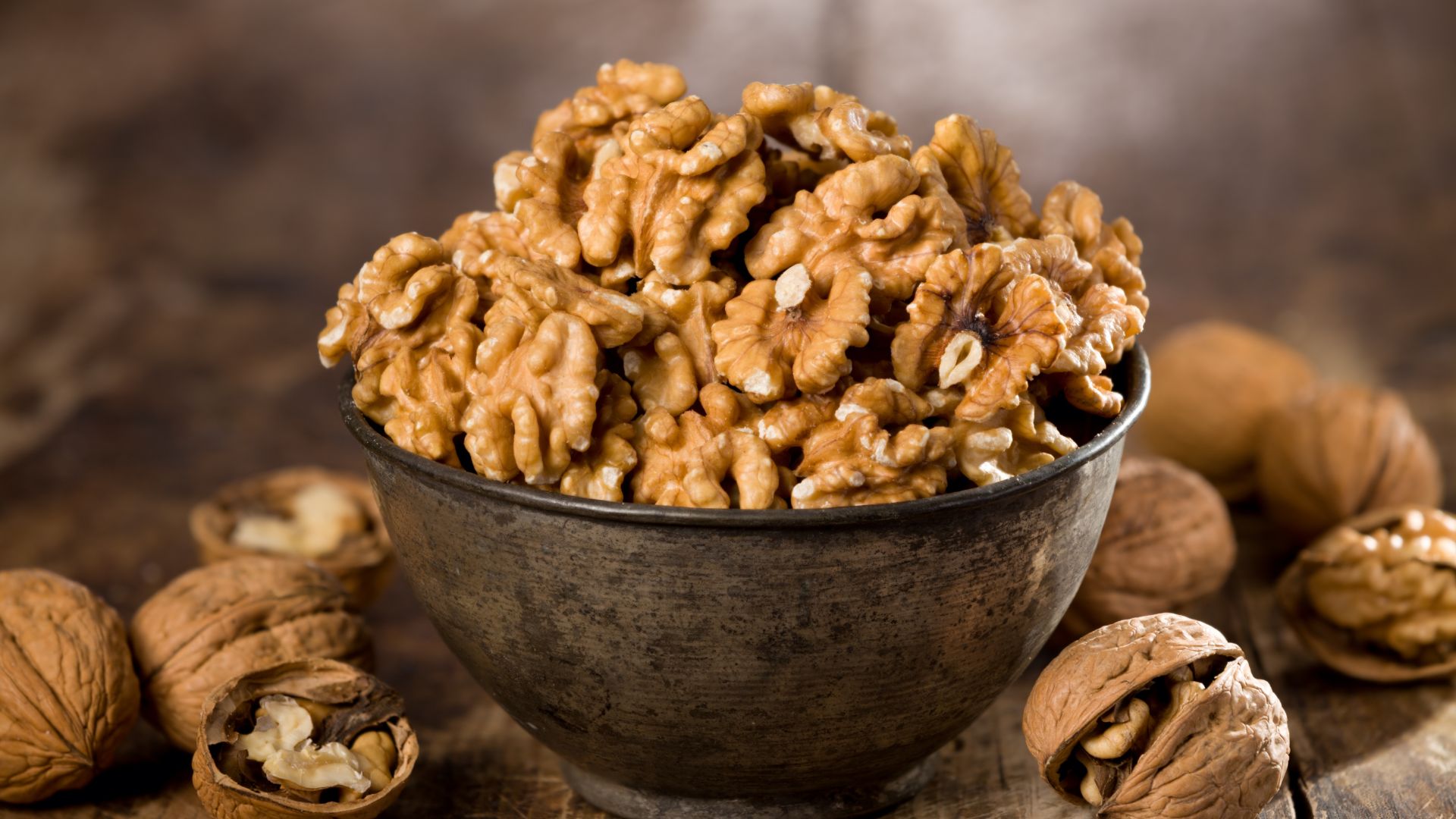
Stress-relieving foods: Leafy greens, berries, nuts, whole grains, fatty fish, and herbal teas like chamomile or green tea.
-
Foods to avoid: Excess sugar, caffeine, and processed foods, which can increase stress and anxiety.
Get Adequate Sleep
Poor sleep can worsen stress, creating a vicious cycle. Ensuring quality sleep is crucial for stress management.
-
Tips for better sleep: Maintain a regular sleep schedule, create a calming bedtime routine, and avoid screens before bed.
-
Benefits: Restores mental clarity, strengthens immunity, and improves mood.
Connect with Nature
Spending time outdoors can be incredibly therapeutic. Nature exposure reduces stress and enhances mental well-being.
-
Ways to connect: Take a walk in the park, hike in the mountains, or practice gardening.
-
Benefits: Lowers blood pressure, improves mood, and promotes relaxation.
Limit Stress Triggers
Identifying and managing stress triggers can prevent chronic stress.
-
How to manage: Prioritize tasks, set realistic goals, and learn to say no when necessary.
-
Benefits: Reduces mental clutter, increases productivity, and improves emotional balance.
Practice Gratitude and Positive Thinking
Focusing on the positive aspects of life can help reduce stress and improve emotional resilience.
-
Techniques: Keep a gratitude journal, practice positive affirmations, or reflect on happy moments daily.
-
Benefits: Enhances optimism, strengthens mental health, and promotes relaxation.
Natural stress relief methods are safe, effective, and accessible to everyone. By incorporating techniques such as deep breathing, regular exercise, mindfulness, healthy diet, quality sleep, nature exposure, and positive thinking, you can significantly reduce stress levels and lead a more balanced life. Remember, managing stress is not a one-time effort but a continuous practice that nurtures your mind and body.
References