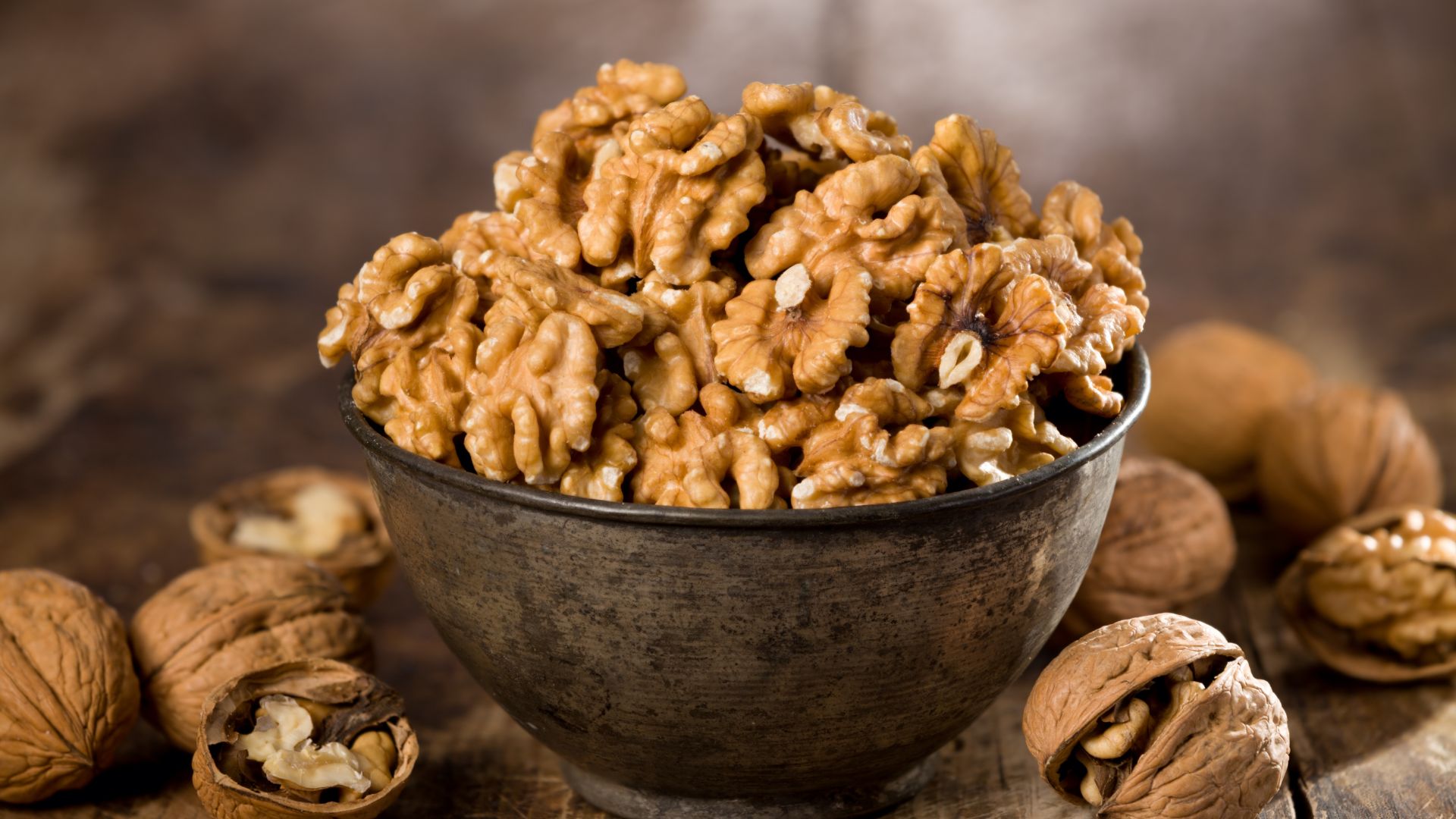

Seasonal wellness plays a powerful role in supporting physical health, emotional balance, and daily productivity. As temperatures shift and daylight hours vary, the body continually adapts to maintain energy, immunity, and mental clarity. By embracing seasonal self-care and adjusting habits around nutrition, sleep, and movement, individuals can improve overall vitality and long-term well-being. When lifestyle choices align with nature’s cycles, the body functions more efficiently and develops stronger resilience year-round.
Why Seasonal Wellness Matters
Every season places different demands on the body. For example, the longer days and warmer weather of summer increase the need for hydration and cooling routines. Meanwhile, winter emphasizes warmth, nourishment, and immune support. As a result, adapting daily habits seasonally helps maintain internal balance, enhances emotional stability, and reduces the likelihood of fatigue, stress, and seasonal illness. Ultimately, seasonal wellness creates a natural rhythm that encourages sustainable health.
Understanding Seasonal Lifestyle Adjustments
Seasonal wellness integrates nutrition, exercise, sleep cycles, and mental well-being practices tailored to weather changes. When lifestyle habits shift with nature’s cycles, the body functions more efficiently, digestion improves, and the immune system becomes stronger. Moreover, these adjustments help maintain consistent energy and emotional clarity.
Seasonal Wellness Lifestyle Guide
Spring: Renewal and Cleansing
Spring symbolizes growth and fresh beginnings. As the body transitions from winter sluggishness, light cleansing foods and energizing movement help restore balance.
Spring Wellness Practices
-
Include leafy greens, sprouts, berries, and citrus fruits
-
Prioritize morning sunlight and outdoor walks
-
Declutter home spaces to refresh mental energy
-
Engage in moderate exercise to boost circulation
Benefits: Improved digestion, reduced fatigue, immune strengthening, and enhanced emotional clarity.
Summer: Hydration and Cooling
Summer brings longer days and high temperatures, increasing the need for hydration, electrolyte balance, and sun protection.
Summer Wellness Practices
-
Enjoy cooling foods such as watermelon, cucumber, mint, and coconut water
-
Stay hydrated throughout the day
-
Choose lighter meals to support digestion
-
Exercise early in the morning or evening
-
Practice mindfulness or relaxation techniques to reduce heat-related stress
Benefits: Balanced energy levels, heart health support, optimal hydration, and reduced inflammation.
Autumn: Grounding and Strengthening Immunity
As the pace of life begins to slow, the body prepares for colder months. Therefore, grounding foods and immune-supportive routines become essential.
Autumn Wellness Practices
-
Add root vegetables, apples, pears, pumpkins, nuts, and seeds to meals
-
Increase warm soups, broths, and herbal teas
-
Maintain a consistent sleep schedule
-
Practice gentle stretching, yoga, and deep breathing
-
Focus on gratitude and emotional balance
Benefits: Stronger immunity, mental stability, and smoother seasonal transition.
Winter: Warmth, Rest, and Restoration
Winter encourages rest, warmth, and nourishing routines that protect both physical and emotional well-being.
Winter Wellness Practices
-
Eat warming foods such as whole grains, ghee, soups, and spices
-
Drink herbal infusions like ginger, turmeric, and cinnamon
-
Prioritize rest and earlier bedtimes
-
Choose strength-building indoor movement
-
Stay socially connected to avoid isolation
Key Benefits: Enhanced resilience, improved immunity, deeper emotional comfort, and better temperature regulation.
Nutrition for Seasonal Wellness
Seasonal eating supports the body’s natural needs and strengthens digestion. Additionally, local seasonal produce contains higher nutrients and fewer preservatives, making it a healthier option year-round.
General Nutrition Principles
-
Eat fresh, local, minimally processed foods
-
Adjust herbs and spices to balance body temperature
-
Support gut health with fermented foods
-
Reduce sugar and processed products to maintain energy
Supporting Mental and Emotional Well-Being
Seasonal changes can significantly influence mood and motivation. For instance, reduced daylight in winter may lead to lower energy and emotional imbalance.
Emotional Wellness Strategies
-
Practice daily mindfulness or meditation
-
Maintain meaningful social connections
-
Spend time outdoors whenever possible
-
Create seasonal routines that inspire joy and balance
Sleep, Movement, and Routine Adjustments
Circadian rhythms naturally shift with daylight. Therefore, adjusting sleep and activity encourages steady energy and improved focus.
Routine Suggestions
-
Sleep earlier in winter and wake earlier in summer
-
Modify exercise intensity based on temperature
-
Schedule regular breaks and digital detox time
References