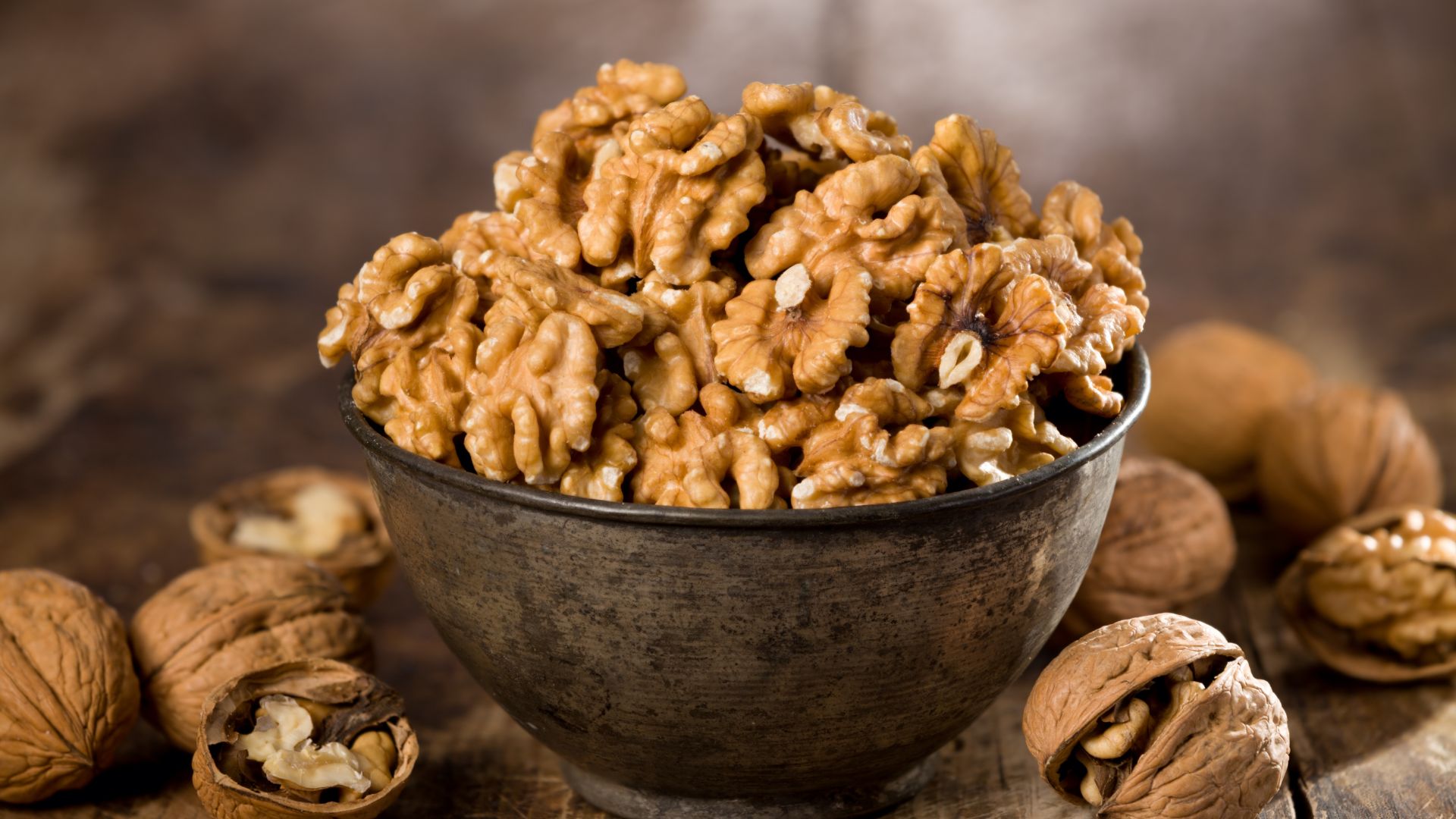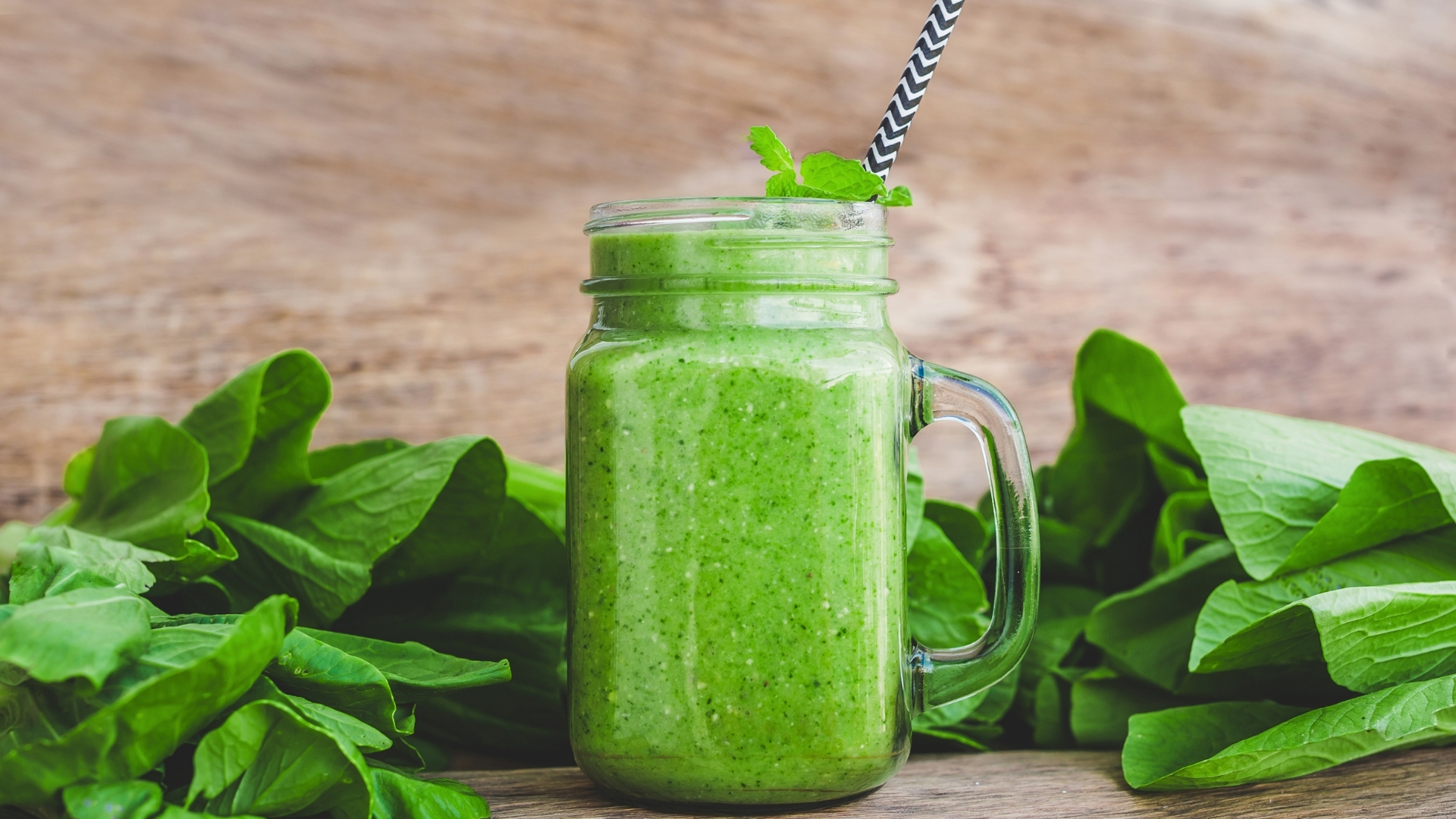

Choosing the right cooking oil is more than just a matter of flavor—it directly impacts your heart health, weight management, and overall wellness. With countless options on the market, from olive oil to coconut oil, it can be challenging to determine which oils are truly healthy. In this guide, we’ll explore the healthiest oils, their nutritional profiles, types of fats, smoke points, and practical ways to incorporate them into your daily diet for heart-healthy, nutritious meals.
Table of Contents
Types of Fats in Cooking Oils
Understanding the types of fats in oils is crucial for making health-conscious choices. Cooking oils generally contain a mix of the following:
-
Saturated Fats: Solid at room temperature; commonly found in coconut oil and palm oil. Excessive intake may raise LDL (“bad”) cholesterol.
-
Monounsaturated Fats: Heart-healthy fats found in olive oil and avocado oil; they help lower LDL cholesterol and may improve insulin sensitivity.
-
Polyunsaturated Fats: Include omega-3 and omega-6 fatty acids; essential for brain function and anti-inflammatory effects. Found in flaxseed oil, walnut oil, and sunflower oil.
-
Trans Fats: Artificially hydrogenated oils; harmful to heart health and should be avoided.
Key takeaway: Prioritize oils rich in monounsaturated and polyunsaturated fats for a balanced diet.
Top Healthy Oils to Eat
1. Olive Oil
-
Type: Monounsaturated fat
-
Best Use: Dressings, low-heat cooking, drizzling over cooked vegetables
-
Benefits:
-
Rich in antioxidants and polyphenols
-
May improve cholesterol levels
-
Pro tip: Extra virgin olive oil is less processed and retains the most nutrients.
2. Avocado Oil
-
Type: Monounsaturated fat
-
Best Use: High-heat cooking like frying or roasting
-
Benefits:
-
High smoke point (~520°F), making it ideal for sautéing
-
Rich in vitamin E and antioxidants
-
Pro tip: Choose cold-pressed avocado oil for maximum nutrient retention.
3. Coconut Oil
-
Type: Saturated fat
-
Best Use: Baking, stir-frying, or adding flavor to tropical dishes
-
Benefits:
-
Contains medium-chain triglycerides (MCTs) that may boost metabolism
-
Provides a subtle coconut flavor to dishes
-
May support brain health
-
Note: Use in moderation due to high saturated fat content.
4. Flaxseed Oil
-
Type: Polyunsaturated fat (omega-3)
-
Best Use: Cold dishes, smoothies, or salad dressings
-
Benefits:
-
Excellent source of omega-3 fatty acids for anti-inflammatory support
-
Supports heart health and cholesterol management
-
Helps maintain healthy skin and hair
-
Pro tip: Do not heat flaxseed oil; it degrades easily when exposed to high temperatures.
5. Walnut Oil
-
Type: Polyunsaturated fat
-
Best Use: Salad dressings, drizzling, or finishing oils
-
Benefits:
-
Rich in omega-3 fatty acids
-
Supports cognitive health
-
Adds a nutty flavor to foods
-
6. Canola Oil
-
Type: Monounsaturated and polyunsaturated fats
-
Best Use: Cooking, baking, and frying
-
Benefits:
-
Low in saturated fat
-
Contains alpha-linolenic acid (ALA), a plant-based omega-3
-
Affordable and widely available
-
Smoke Point and Cooking Considerations
The smoke point is the temperature at which an oil begins to break down, producing harmful free radicals and toxic compounds. Choosing oils with appropriate smoke points ensures both safety and nutrient retention.
-
High-heat cooking: Avocado oil, refined olive oil, canola oil, sunflower oil
-
Low to medium heat / raw use: Extra virgin olive oil, flaxseed oil, walnut oil, unrefined coconut oil
Tip: Avoid overheating oils rich in polyunsaturated fats, as their delicate structures are easily damaged.
Benefits of Healthy Oils
Using the right oils in your diet offers multiple advantages:
-
Heart health: Monounsaturated and polyunsaturated fats help reduce LDL cholesterol and support arterial function.
-
Brain health: Omega-3-rich oils like flaxseed and walnut support cognition and mood.
-
Anti-inflammatory effects: Oils like olive and avocado contain polyphenols that combat inflammation.
-
Weight management: Healthy fats promote satiety and reduce unhealthy snacking.
-
Nutrient absorption: Certain vitamins (A, D, E, K) are fat-soluble and require healthy oils for absorption.
Oils to Use in Moderation or Avoid
-
Hydrogenated oils / trans fats: Found in margarine, fried fast foods; increase heart disease risk.
-
Highly refined vegetable oils: Soybean, corn, and sunflower oils can be high in omega-6 fats, which may promote inflammation if overused.
-
Excess saturated fats: Use coconut and palm oil sparingly, especially for those with high cholesterol.
Tips for Choosing and Storing Oils
-
Opt for cold-pressed or extra virgin oils to retain maximum nutrients.
-
Store in dark, cool places to prevent oxidation.
-
Check expiration dates regularly; rancid oils lose health benefits and may taste bitter.
-
Use small amounts for flavor and nutrition rather than excessive quantities.
How to Incorporate Healthy Oils into Your Diet
-
Salads: Drizzle olive, avocado, or walnut oil as a dressing.
-
Cooking: Use high-smoke-point oils like avocado or canola for sautéing, roasting, and stir-frying.
-
Baking: Substitute butter or margarine with moderate amounts of coconut or olive oil.
-
Smoothies: Add flaxseed or walnut oil for omega-3 boosts.
-
Finishing dishes: Add a few drops of cold-pressed oils to enhance flavor and nutrients.
Choosing the healthiest oil to eat in food is essential for long-term wellness. Oils rich in monounsaturated and polyunsaturated fats—like olive, avocado, flaxseed, and walnut—offer heart, brain, and anti-inflammatory benefits. High-quality oils with appropriate smoke points ensure both nutrition and safety, while moderation helps maintain a balanced diet. By mindfully selecting oils and incorporating them into everyday cooking, you can enhance flavor, improve nutrient absorption, and support overall healthy eating habits.